
What Haunted Houses Know About Work
Last week's article on business improvement districts drew a stream of positive replies. Readers told me they appreciated the brain teaser of an urban planning tool applied to an old workplace problem.
The feedback reminded me of a note I filed last summer.
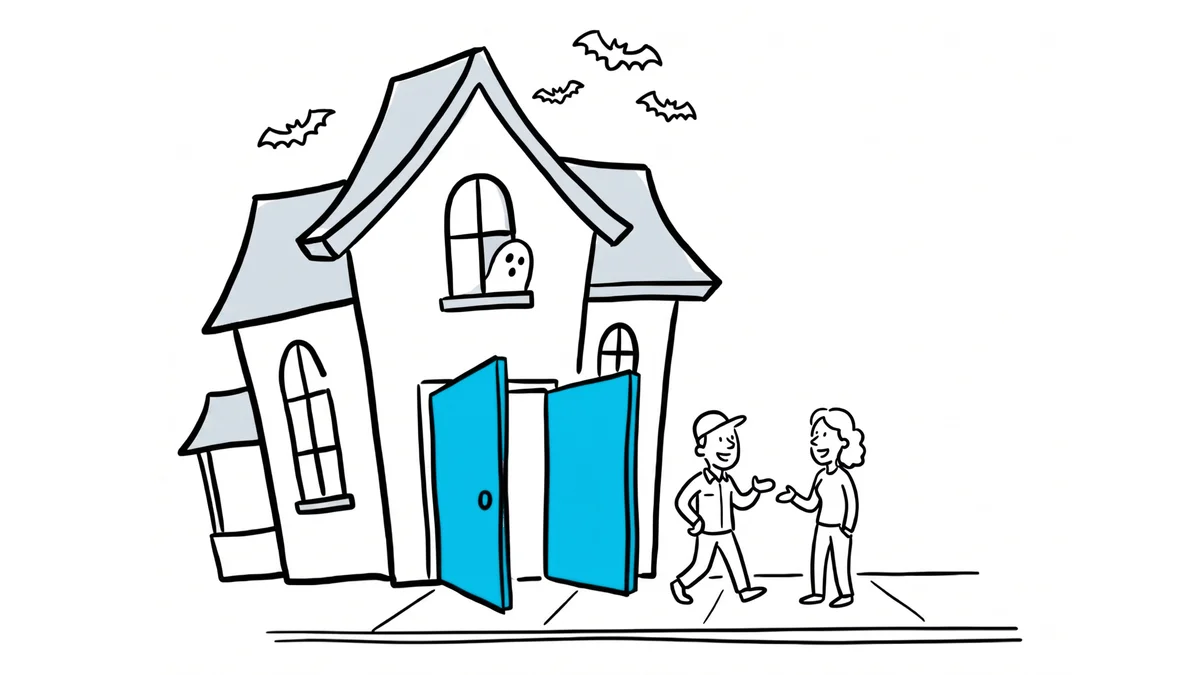
A friend who once led customer experience and brand design for a big tourist attraction in NYC spent an hour walking me through the field of location-based entertainment (LBE). It covers everything from walking tours and immersive digital museums to haunted houses and trampoline parks. His definition: you move through a place, and the place itself is the entertainment.
Anyway, I thought LBE might make for a good article, but it was still early in The Workline era, so I filed the idea away. Then I recently came across a McKinsey report from January. I spent three years at McKinsey and was still surprised to see my old firm studying pop-up haunted mazes.
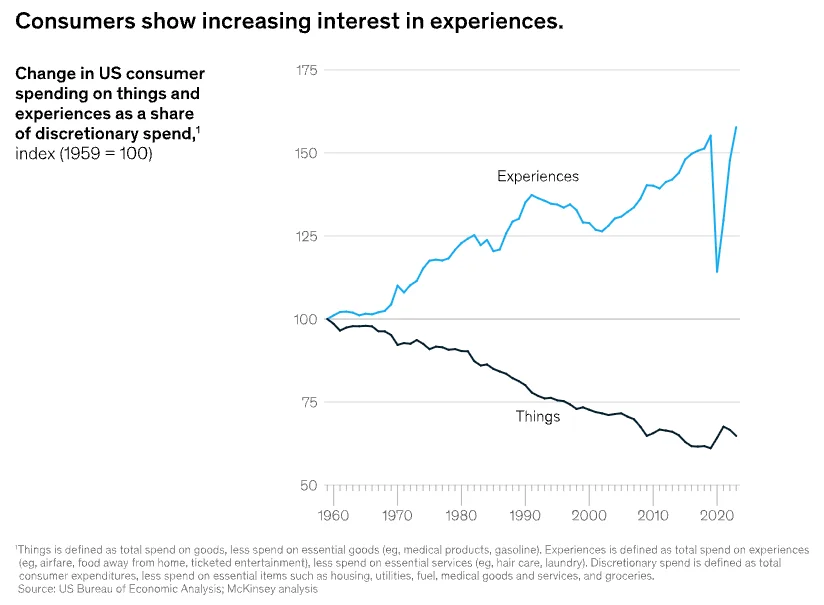
According to the report, brands are moving from destination theme parks toward smaller regional, seasonal and pop-up attractions, often in underused space in malls and city centers. US spending on experiences has grown faster than spending on goods. Gen Z is 1.5 times more likely than the general population to visit an immersive experience.
Employers have underused buildings too, and they want people to show up. So this is the second article in a tiny, two-part series on built-environment ideas worth borrowing for work.
Don't be scared. I promise it will be quick.
The Place Is the Show
At a basketball game (let's go Knicks!), the arena amplifies the action on the court, but my friend pointed out that the same game could be played in a different building. An immersive museum works the other way: walking through it is the entertainment, and the production money goes into the location and the content built for it.
None of it is portable.
Most offices were built like arenas, giving a portable activity, office work, a place to happen. Then 2020 proved how portable that work was, and the arena lost much of its reason to exist.
At WeWork's Chelsea HQ in early 2019, I gave tours to executives from some of the world's largest employers, and employees brought family and friends to see it. The office worked like an attraction, no mandate required.
HR, real estate and Finance each own a piece of the puzzle: how workers experience the day, the place(s) they experience it in, and the budget that decides which one gets built.
Change the Set
I used to argue for one room that does everything.
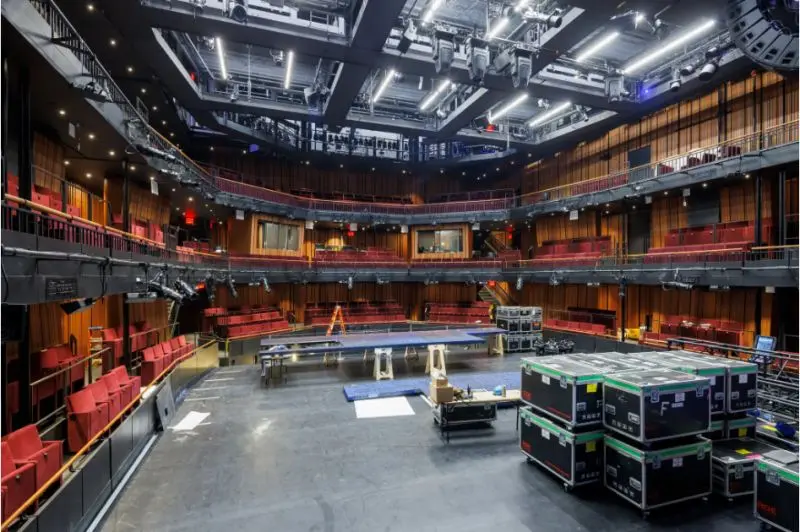
In that same WeWork article, I wrote that "extreme multi-purposing is the key to maximizing vibe and social connectivity." In a 2023 LinkedIn post, I praised the World Trade Center performing arts center, whose theaters reconfigure into more than 60 layouts.
Last summer, my friend talked me out of half of that when he said that in an attraction, each room has one job. I admitted that WeWork's all-purpose social space earned a strong B+ at five things, where a dedicated room could have earned an A+++ at one.
The theater I mentioned shows how both views hold: it changes its rooms between productions, and each night it commits to one show. WeWork's floor moved from all-hands to lunch to happy hour, and a Community team ran every change. A commenter on my post put it plainly: flexibility is "invested in the labor to enact changes to the physical form."
I called the same thing a "labor of OPEX" in 2025.
Hasbro's Monopoly Lifesized, one of McKinsey's examples of cheaper formats, signs short-term leases in underused spaces. A devoted Workline reader who plans high-end corporate events told me Class A towers now market their underused amenity floors as event venues. Her advice to employers: book a great venue near the office for a few hours, every so often.
The event planner has also pushed back on me, arguing that the point of an office is everyone in one place at the same time. Attractions agree, which is why they sell timed tickets.
A showtime gives people a reason to arrive together.
Build the Exit
Try as they might, haunted houses cannot keep you terrified for an hour.
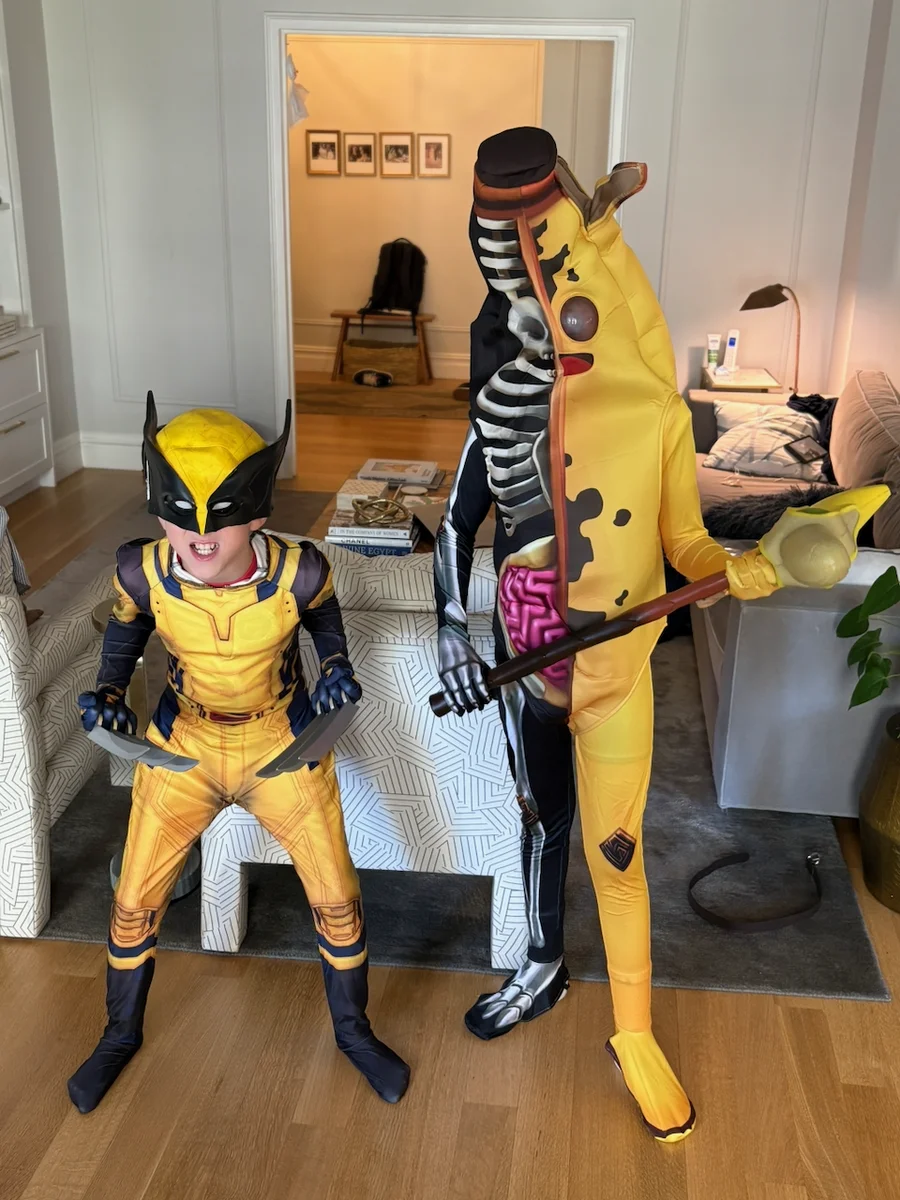
My LBE expert says the good ones follow each jump scare by releasing you "into light" and "into more air," where you can catch your breath and set your own pace.
He called it "aftercare."
Plenty of AI transformations feel like a haunted house right now, one jump scare after another. A good scare can be fun, as long as people trust there is a way out. If your AI transformation has an office, build it a calming exit too.
After a hard client presentation or a tense negotiation, people at work need the same thing: a sightline to somewhere they can recover for five minutes without judgment.
He believes the workday should end the same way, with the office sending people home feeling the point of the trip was met. In 2025, I asked whether a space makes people "want to linger or leave." I have also argued that endings deserve design.
That applies to 5:30 p.m. as much as to a last day.
What Can You Do on Monday?
Want your workplace to work more like an attraction? You can start with one floor, one week and no theme park budget.
- Map one office day as an arc. Pick a team's anchor day and mark the entry, the peak and the exit. HR can own the arc and note where anyone gets a release.
- Create sightlines to recovery. After your hardest meeting this week, walk to the nearest quiet, light-filled seat and time the trip. Real estate can fix the longest walks first.
- Before you build, rent. Before Finance funds a permanent amenity, book a venue near the office for one gathering, agree on the measure beforehand, and compare the results.
When my wife and I started dating, she was working on The Ride, a (since-closed) attraction that moved through New York City itself. Passengers sat in 49 stadium seats facing the bus's transparent side while performers staged scenes on Midtown sidewalks.
After 75 minutes and 4.2 miles, the whole bus sang "New York, New York" to the crowd outside, then rolled back to Times Square to let everyone off.
The best attractions design every moment.
Plan yours.

Where would an exit help most in your workplace: after the hardest meeting, or at the end of the day? If this resonates with your work, get in touch.