

Humana’s Under-the-Radar Workplace Revolution
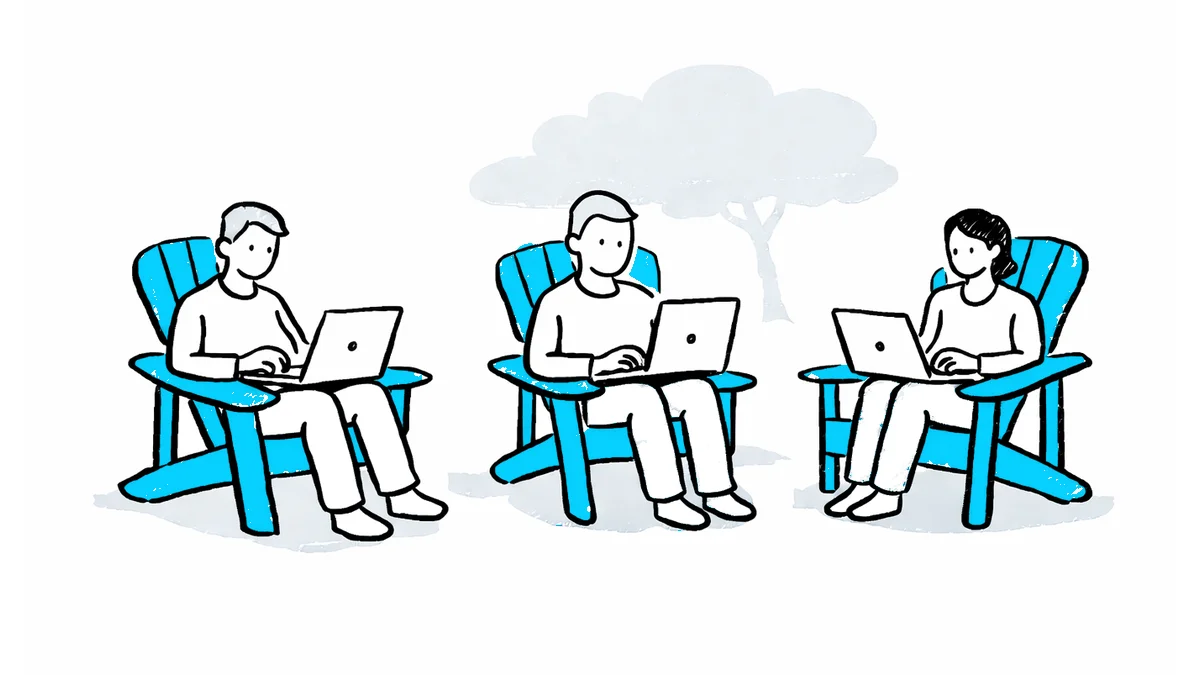
Over the past seven years or so, Humana has quietly made some of the boldest workplace decisions in corporate America. Yet, somehow, they remain under the radar while some other companies get credit for far less innovative moves.
Every time I mention Humana's progressive workplace strategies in a workshop or keynote, I can see the same reaction on attendees’ faces:
Wait, the healthcare company in Louisville? Really?
Humana’s story offers a masterclass in forward-thinking workplace strategy that I hope inspires you to make bolder moves in your organization. I’m excited to share what I’ve learned through various interactions with the Humana team over the years, and to connect the dots from several news articles that were easy to miss outside of Louisville.
Read on for six lessons learned from Humana’s workplace transformation.
Remote-Ready Before It Was Trendy
While most companies scrambled to figure out remote work in March 2020, Humana was already there. About one-third of their workforce was fully remote before the pandemic hit.
According to Humana workplace leaders, this strategy helped with the transition. Their executives were already familiar with workplace personas and utilization data, so the pandemic shift felt more like refinement than revolution.
That familiarity meant leadership wasn’t debating abstractions in 2020; they were making decisions with shared definitions, trusted data, and established norms.
This foundation proved invaluable. While other organizations panicked about productivity and struggled with manager resistance, Humana's leaders had years of experience making distributed teams work. They had the data, the trust, and most importantly, the cultural infrastructure already in place.
Powered by We(Work)
Here's where Humana's story begins to get really interesting.
Often overlooked by all but the real estate industry, WeWork’s “Powered by We” business provided our design, construction, and community management services to clients’ properties. Humana was an early believer in the concept, which is how I met the team.
Humana didn’t copy WeWork’s model, but did pay close attention to which elements reliably changed behavior at scale. Humana low leverages connecting staircases across their portfolio, a design choice influenced in large part because of what they observed at WeWork.
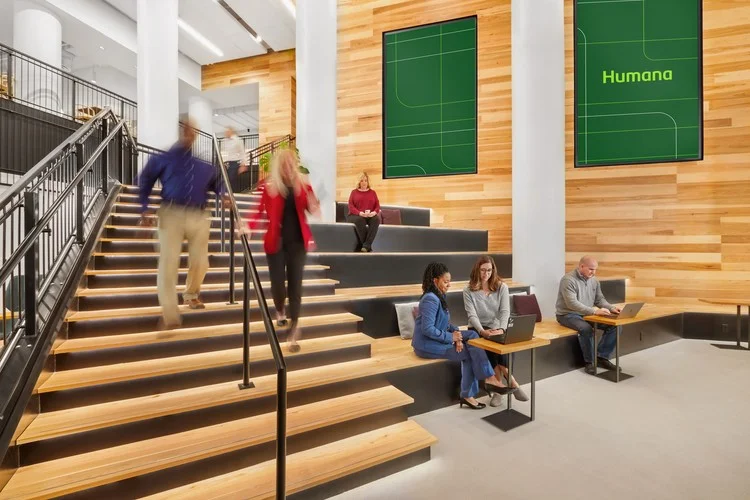
Beyond design, Humana had WeWork community managers run their Boston location.
When leadership suggested cutting the service, local business teams pushed back hard—the community managers were providing massive value even virtually, and the teams wanted them to stay.
Humana kept the service for another year, recognizing that fostering social capital doesn't stop when people are not in the office. At a moment when most organizations were cutting ‘non-essential’ OPEX, Humana treated community as infrastructure.
And that strategy was about to get pushed to the limits.
The Outdoor Office Experiment
In Fall 2020, while most companies were still figuring out basic remote work, Humana opened outdoor office spaces with "picnic tables, Adirondack chairs, working tables, water stations, local food trucks…Wi-Fi, charging stations, air-conditioned restrooms, and fans and heaters."
And they loved it.
Humana had to double the size after just weeks, ultimately accommodating 150 people with proper social distancing. At the time, Humana reported:
"We're already finding that smaller teams of six to 12 people are coordinating to be on-site together. We also have large enterprise leaders booking entire sessions for their teams."
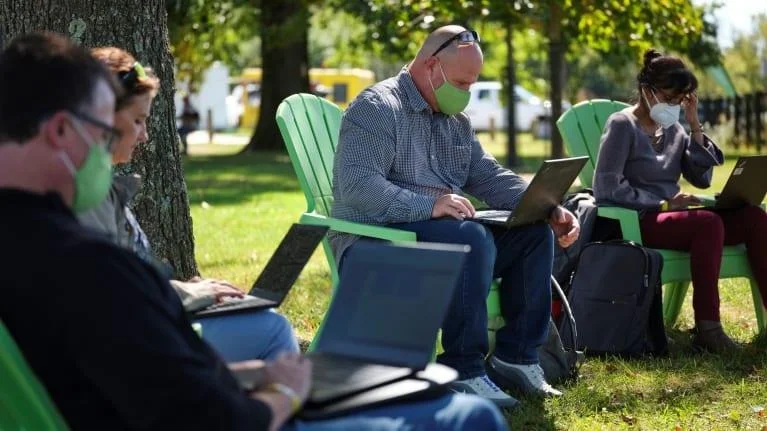
What started as a pandemic response quickly revealed something more durable: teams will self-coordinate into physical space when the environment supports their actual work patterns. In addition to ensuring employees’ safety, the outdoor working program recognized that the "where" of work could be reimagined entirely.
Have You Ever Donated a Building?
In 2022, Humana made a real estate decision that simultaneously reduced surplus space, advanced a core health equity partnership, and contributed to downtown revitalization: they donated an entire eight-story office building to the University of Louisville.
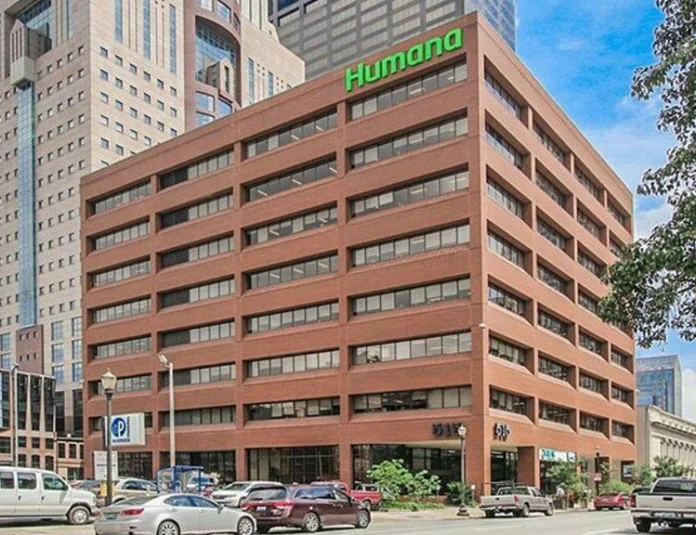
The transition happened remarkably quickly. Humana delivered the building completely turnkey—chairs tucked in, coffee makers included. The university simply had to connect their network, hang a new sign, and begin operations.
Going far beyond corporate philanthropy, this move addressed downtown revitalization, supported Humana's health equity partnership, and eliminated surplus space in one decisive action. How many real estate decisions accomplish three distinct organizational goals simultaneously?
A New Story for an Old HQ
Perhaps Humana’s boldest real estate decision was their announcement in 2024 that they were exiting the iconic, 27-story tower that's been their HQ since 1985.
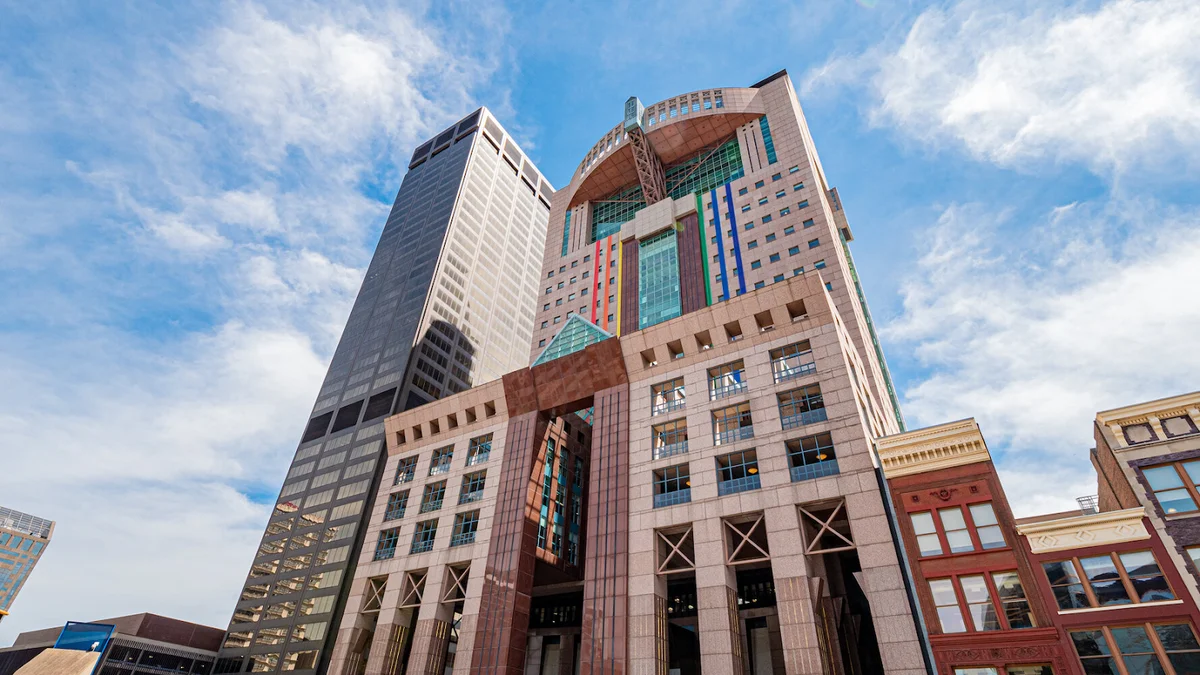
This level of right-sizing is rarely so visible and connected to historical corporate assets. Most legacy headquarters exits happen quietly, incrementally, or through long sublease tails—not via a public redefinition of what the asset should represent next.
Roughly 25% of the company's 10,000 Louisville-area employees are in the office on a typical day, making a smaller, more collaborative campus logical for both costs and employee experience.
What struck me as noteworthy was Humana's commitment to the building's future role in the community. Humana engaged a former employee—someone who used to give architectural tours of the building—to help tell its story to potential buyers. This approach recognizes that a building's heart and history often matter as much as its square footage and lease rates, and that authentic storytelling requires voices beyond those of traditional brokers.
In February 2026, Humana's commitment to finding the right future for the tower paid off.
The building will be converted into a 1,000-room convention hotel with 100,000 square feet of meeting space. Humana's patient approach to finding an outcome that benefits both the company and the community demonstrates what "rightsizing" actually means: making room for what comes next.
Bring Your Leaders Across the Line
Inspired by what you're reading? Phil's talks and workshops bring a credible, cross-functional perspective to help organizations reimagine and redesign work for better experience and outcomes.
Embracing Workplace as a Service
Today, Humana's workplace strategy reflects years of experimentation and learning. They've evolved from hundreds of pages of rigid standards to embracing pre-built spaces that meet their functional needs, especially in markets outside of their Louisville hub.
Five years ago, Humana's workplace team would have balked at pre-built spaces with finishes they didn't select. Their design standards ran hundreds of pages.
Now Humana prioritizes speed, optionality, and functional fit over bespoke design. Pre-built suites or floors reduce cycle time for teams and lowers the cost of being wrong.
Today, their requirements focus on functionality: reconfigurable meeting spaces, shared building amenities, and social zones. Buildings without strong community infrastructure simply don't make the shortlist.
I’m a firm believer that workplace should be viewed as a product, so it’s good to see progressive occupiers like Humana embracing this strategy.
Make Your Bold Moves
What makes Humana's approach effective is its willingness to make bold moves based on data, employee needs, and long-term thinking rather than short-term pressures.
They were remote-ready before remote was required. They invested in the community before it became critical. They look outside their walls and standards for workplace innovation. They acknowledge changing work patterns and adjust their portfolio appropriately.
Most importantly, they've consistently chosen strategies that serve multiple stakeholders in addition to the organization’s mission and business objectives.
As you evaluate your workplace strategy, ask yourself this: which asset, role, or standard would you reverse (or walk away from) today if you fully trusted your data and your people?
Humana’s advantage was a multi-year pattern of choosing clarity over comfort, learning over legacy, and action over debate. Organizations that build the same muscle for consistent experimentation, rapid learning, and quick adaptation will be far better positioned for whatever the future of work demands next.
Your move.

Do you know other companies whose progressive workplace programs have flown under the radar? Get in touch and let me know!